
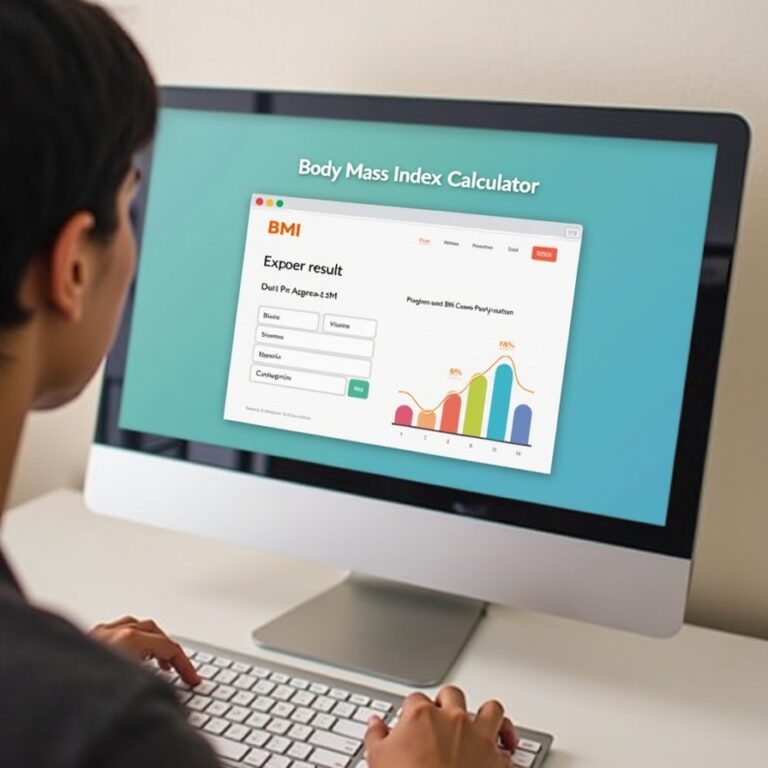
If you want to check BMI online efficiently, this guide gives you a complete roadmap — from entering accurate height and weight data to interpreting the results and integrating them into a health plan. Online BMI tools make it fast, precise, and accessible anywhere, whether at home or on mobile.
Understanding BMI and Its Health Significance
Body Mass Index (BMI) is a simple formula used worldwide to categorize weight relative to height. While it’s not a diagnostic tool, BMI helps identify risk ranges for health issues such as heart disease, type 2 diabetes, and high blood pressure. Checking BMI online removes the need for manual calculation, reducing errors and saving time.
How BMI Relates to Health Risks
- Underweight (BMI < 18.5): Increased risk of malnutrition, osteoporosis, and immune deficiencies.
- Normal weight (BMI 18.5–24.9): Lower risk for chronic disease, generally considered optimal for health.
- Overweight (BMI 25–29.9): Higher likelihood of developing metabolic disorders.
- Obese (BMI ≥ 30): Significant risk for heart disease, diabetes, and joint problems.
Step-by-Step Guide to Check BMI Online
To accurately check BMI online, follow these steps:
- Visit the BMI Calculator on AceCalculator.
- Choose your preferred measurement system (metric or imperial).
- Enter your height and weight precisely — rounding can affect results.
- Click “Calculate” to see your BMI and classification.
- Interpret your score within standard BMI categories and consider tracking changes over time.
Tips for Accurate Online BMI Calculation
- Measure height without shoes and weight in light clothing.
- Use the same units consistently to prevent errors.
- Record results over weeks or months to notice trends, not daily fluctuations.
- Complement BMI with other measures like waist circumference, body fat percentage, or muscle mass. Try the Body Fat Calculator for more precision.
Factors That Can Affect BMI Accuracy
While BMI is a convenient starting point, it has limitations. Age, sex, muscle mass, bone density, and ethnicity can distort BMI’s reflection of health. For example:
- Athletes often have higher BMI due to muscle mass rather than fat.
- Older adults may have normal BMI but higher body fat due to muscle loss.
- Ethnic groups may have different fat distribution patterns, influencing risk levels.
The CDC and WHO emphasize that BMI should be interpreted with context, not as the sole health metric.
Integrating BMI into a Health Plan
Checking BMI online is just the first step. To use your results effectively:
- Set realistic health goals based on BMI trends.
- Combine with a balanced diet and regular exercise.
- Monitor related metrics like body fat, blood pressure, and cholesterol.
- Consult healthcare professionals for personalized guidance.
Additional Resources for Health Metrics
Explore the AceCalculator Blog for articles on weight management, diet, and health calculators. Use tools like the Body Fat Calculator and waist-to-hip ratio calculators for a comprehensive view of health.